How technology is changing nursing, reviews of new medical devices and software, telehealth, electronic health records.
- Ahtisham Arif
- Jul 15, 2024
- 8 min read


How Technology is Changing Nursing
1. Introduction
Nursing, a cornerstone of the healthcare system, has been profoundly transformed by technological advancements. From patient care to administrative tasks, technology has streamlined nursing practices, improved patient outcomes, and enhanced the efficiency of healthcare delivery. This article explores the various ways technology is revolutionizing nursing, including reviews of new medical devices and software, the rise of telehealth, and the adoption of electronic health records (EHR).
2. The Evolution of Nursing Technology
Historical Perspective on Nursing Technology
The integration of technology in nursing is not a recent phenomenon. Historically, nursing relied heavily on manual processes and paper-based records. Early technological advancements, such as the invention of the stethoscope and the development of medical imaging techniques, marked the beginning of a new era in patient care.
Milestones in Nursing Technology Development
Over the years, several milestones have shaped the landscape of nursing technology. The introduction of computers in healthcare settings in the late 20th century revolutionized record-keeping and data management. The 21st century has witnessed rapid advancements in medical devices, software applications, and digital health solutions, transforming the nursing profession.
3. The Role of Medical Devices in Modern Nursing
Overview of Key Medical Devices Used in Nursing
Medical devices play a crucial role in modern nursing practice. These devices range from basic tools like thermometers and blood pressure monitors to advanced equipment like infusion pumps and patient monitoring systems.
Innovations in Patient Monitoring Systems
Patient monitoring systems have undergone significant innovation, providing real-time data on vital signs and other critical parameters. These systems enable nurses to monitor patients remotely, detect abnormalities promptly, and respond swiftly to emergencies.
Smart Infusion Pumps
Smart infusion pumps are a prime example of how technology enhances patient safety. These pumps are equipped with drug libraries and dosage error reduction software, minimizing the risk of medication errors and ensuring accurate administration of intravenous fluids and medications.
Advanced Diagnostic Tools, Cutting-Edge Software in Nursing Practice, and Telehealth and Remote Patient Monitoring
4. Advanced Diagnostic Tools
Portable Ultrasound Devices
Portable ultrasound devices have become indispensable tools in nursing practice. These compact and easy-to-use devices allow nurses to perform bedside imaging, aiding in quick diagnosis and treatment decisions.
Handheld Scanners for Vital Signs
Handheld scanners that measure vital signs, such as heart rate, oxygen saturation, and blood pressure, are transforming bedside care. These devices provide instant readings, enabling nurses to monitor patients' conditions continuously.
Wearable Health Technology
Wearable health technology, such as smartwatches and fitness trackers, is increasingly being used in nursing. These devices track patients' activity levels, sleep patterns, and other health metrics, providing valuable data for personalized care plans.
5. Cutting-Edge Software in Nursing Practice
Overview of Nursing Software Applications
Nursing software applications streamline various aspects of nursing practice, from clinical documentation to patient management. These applications improve workflow efficiency and reduce administrative burdens, allowing nurses to focus more on patient care.
Electronic Medication Administration Records (eMAR)
eMAR systems enhance the accuracy and safety of medication administration. These systems provide real-time access to patients' medication histories, reduce the risk of medication errors, and ensure compliance with prescribed treatment regimens.
Care Coordination and Management Software
Care coordination and management software facilitate seamless communication among healthcare team members. These tools help nurses coordinate care plans, track patient progress, and ensure continuity of care across different settings.
6. Telehealth and Remote Patient Monitoring
Definition and Importance of Telehealth in Nursing
Telehealth leverages technology to deliver healthcare services remotely. This approach has become particularly important in nursing, enabling nurses to provide care to patients in remote or underserved areas, reduce hospital readmissions, and improve access to specialized care.
Benefits of Remote Patient Monitoring
Remote patient monitoring allows nurses to track patients' health status in real-time, even when they are not physically present in a healthcare facility. This technology enhances patient engagement, promotes proactive management of chronic conditions, and reduces the need for frequent hospital visits.
Case Studies of Successful Telehealth Implementations
Several case studies highlight the success of telehealth in nursing. For instance, remote monitoring programs for chronic disease management have demonstrated significant improvements in patient outcomes, reduced healthcare costs, and increased patient satisfaction.
Electronic Health Records (EHR), Artificial Intelligence and Machine Learning in Nursing, and Robotics in Nursing
7. Electronic Health Records (EHR)
Importance of EHR in Modern Healthcare
Electronic Health Records (EHR) are digital versions of patients' paper charts. They provide real-time, patient-centered records that make information available instantly and securely to authorized users. EHRs have become integral to modern healthcare, enhancing the quality and safety of patient care.
Benefits and Challenges of EHR Adoption
EHRs offer numerous benefits, including improved accuracy of patient data, enhanced coordination of care, and streamlined administrative processes. However, challenges such as high implementation costs, user resistance, and concerns about data security need to be addressed to fully realize the potential of EHRs.
Future Trends in EHR Technology
The future of EHR technology lies in the integration of advanced features like predictive analytics, interoperability with other health IT systems, and enhanced user interfaces. These trends will further improve the usability and effectiveness of EHRs in nursing practice.
8. Artificial Intelligence and Machine Learning in Nursing
AI Applications in Nursing Practice
Artificial Intelligence (AI) is making significant inroads in nursing practice. AI-powered tools assist nurses in clinical decision-making, predictive analytics, and personalized patient care. For example, AI algorithms can analyze large datasets to identify patterns and predict patient outcomes.
Predictive Analytics for Patient Care
Predictive analytics uses historical data to forecast future events. In nursing, this technology helps predict patient deterioration, identify high-risk patients, and tailor interventions accordingly, leading to improved patient outcomes and resource allocation.
AI-Driven Decision Support Systems
AI-driven decision support systems provide real-time assistance to nurses by analyzing patient data and suggesting evidence-based interventions. These systems enhance clinical judgment, reduce the risk of errors, and support the delivery of high-quality care.
9. Robotics in Nursing
Overview of Nursing Robots
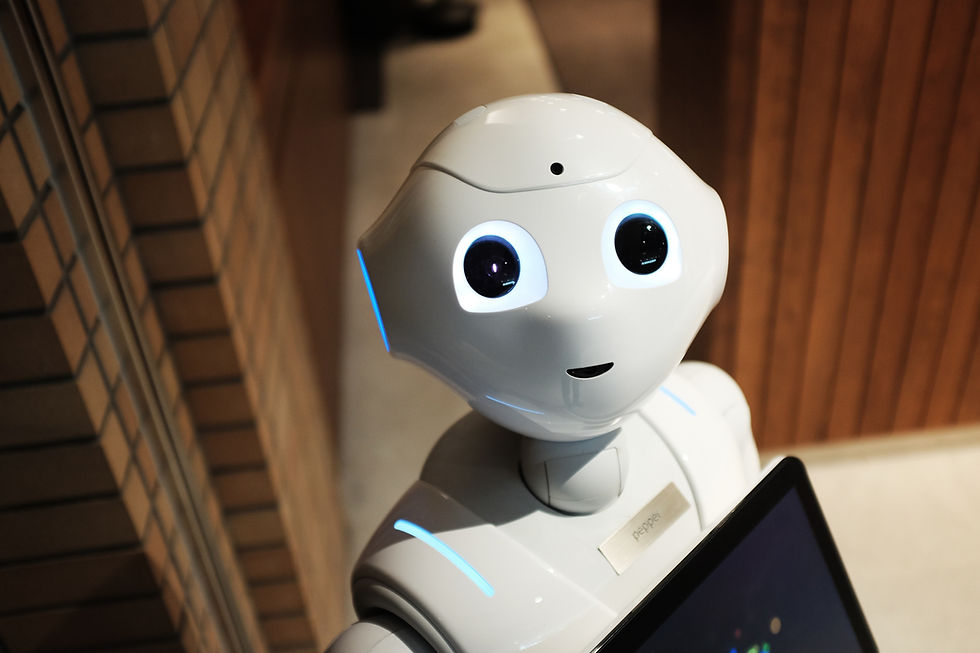
Nursing robots are designed to assist with various tasks, from direct patient care to logistical support. These robots can perform repetitive tasks, such as medication delivery and patient lifting, reducing the physical burden on nurses.
Roles of Robots in Patient Care and Logistics
Robots in patient care can monitor vital signs, assist with mobility, and provide companionship to patients. In logistics, robots streamline supply chain management, ensuring timely delivery of medical supplies and equipment.
Future Prospects of Robotics in Nursing
The future of robotics in nursing is promising, with ongoing research and development aimed at enhancing robot capabilities. As technology advances, nursing robots will play an increasingly vital role in supporting healthcare delivery and improving patient outcomes.
Mobile Health Applications, Enhancing Patient Care with Virtual Reality (VR), and The Internet of Medical Things (IoMT)
10. Mobile Health Applications
Popular Mobile Apps for Nurses
Mobile health applications are transforming nursing practice by providing tools for clinical reference, patient monitoring, and communication. Popular apps include Epocrates, Medscape, and Nursing Central, which offer drug information, clinical guidelines, and educational resources.
Role of Mobile Health Apps in Patient Education and Engagement
Mobile health apps empower patients by providing access to health information, medication reminders, and personalized care plans. These apps facilitate patient engagement, promote adherence to treatment regimens, and improve health outcomes.
Impact of Mobile Apps on Nursing Efficiency
Mobile apps enhance nursing efficiency by streamlining documentation, facilitating communication, and providing decision support. Nurses can quickly access patient information, track care activities, and collaborate with colleagues, leading to more efficient and effective care delivery.
11. Enhancing Patient Care with Virtual Reality (VR)
VR Applications in Nursing Education and Training
Virtual Reality (VR) is revolutionizing nursing education and training by providing immersive, simulated learning experiences. VR allows nurses to practice clinical skills, experience realistic patient scenarios, and improve their competence and confidence in a safe environment.
VR for Patient Therapy and Rehabilitation
VR is also being used in patient therapy and rehabilitation. It offers engaging, interactive exercises that motivate patients and support recovery. For example, VR-based physical therapy can help patients regain mobility and strength after an injury.
Benefits of VR in Pain Management and Anxiety Reduction
VR has shown promise in managing pain and reducing anxiety in patients. By immersing patients in calming, distracting environments, VR can alleviate pain perception and reduce anxiety during medical procedures, improving the overall patient experience.
12. The Internet of Medical Things (IoMT)
Definition and Components of IoMT
The Internet of Medical Things (IoMT) refers to a network of connected medical devices and applications that collect and exchange health data. Components include wearable devices, remote monitoring systems, and smart medical equipment.
Examples of IoMT Devices in Nursing
IoMT devices used in nursing include smart beds that monitor patient movements, wearable ECG monitors, and connected inhalers. These devices provide real-time data, enabling proactive patient care and timely interventions.
Impact of IoMT on Patient Care and Nursing Workflows
IoMT improves patient care by providing continuous monitoring, early detection of health issues, and personalized treatment plans. It also streamlines nursing workflows by automating routine tasks, reducing manual data entry, and enhancing care coordination.
Segment 5: Data Security and Privacy Concerns, Future Trends in Nursing Technology, and Conclusion
13. Data Security and Privacy Concerns
Importance of Data Security in Nursing Technology
Data security is paramount in nursing technology to protect sensitive patient information and maintain trust in digital health solutions. Ensuring robust security measures is essential to safeguard patient data from breaches and cyber threats.
Common Data Security Challenges
Common data security challenges in nursing technology include unauthorized access, data breaches, and compliance with regulatory requirements. Addressing these challenges requires implementing strong authentication protocols, encryption, and regular security audits.
Best Practices for Ensuring Data Privacy and Security
Best practices for data privacy and security include using secure communication channels, regularly updating software, training staff on data security protocols, and adopting comprehensive data protection policies. These measures help mitigate risks and protect patient information.
14. Future Trends in Nursing Technology
Predictions for the Next Decade
The next decade will likely see further advancements in AI, robotics, telehealth, and wearable technology in nursing. These innovations will enhance patient care, improve nursing efficiency, and transform healthcare delivery.
Emerging Technologies and Their Potential Impact
Emerging technologies such as blockchain for secure health data exchange, augmented reality for surgical assistance, and 5G connectivity for real-time telehealth consultations have the potential to revolutionize nursing practice and healthcare.
How Nurses Can Prepare for Future Technological Changes
Nurses can prepare for future technological changes by staying informed about new developments, participating in continuous education and training programs, and embracing a culture of innovation and adaptability. This proactive approach will ensure nurses remain at the forefront of healthcare transformation.
15. Conclusion
The integration of technology in nursing is driving significant improvements in patient care, efficiency, and healthcare delivery. From advanced medical devices and software to telehealth and EHRs, technology is reshaping the nursing profession. As we look to the future, continuous learning and adaptation will be essential for nurses to harness the full potential of these innovations and deliver high-quality, patient-centered care.
FAQs
Q1: How has telehealth impacted nursing practice?
A1: Telehealth has enabled nurses to provide remote care, improving access to healthcare services, especially in rural and underserved areas. It has also reduced hospital readmissions and enhanced chronic disease management.
Q2: What are the benefits of electronic health records (EHR) for nurses?
A2: EHRs improve the accuracy of patient data, enhance care coordination, streamline administrative processes, and provide real-time access to patient information, leading to better patient outcomes.
Q3: How can nurses ensure data security in digital health solutions?
A3: Nurses can ensure data security by using secure communication channels, regularly updating software, following data protection protocols, and participating in ongoing training on data security practices.
Q4: What role do wearable health devices play in nursing?
A4: Wearable health devices track patients' vital signs and health metrics, providing real-time data for monitoring and personalized care plans. They enhance patient engagement and support proactive health management.
Q5: How is artificial intelligence (AI) being used in nursing?
A5: AI is used in nursing for clinical decision support, predictive analytics, and personalized patient care. AI-powered tools analyze large datasets to identify patterns, predict outcomes, and suggest evidence-based interventions